

How Meet and Greet Airport Service Works for Travelers
Landing at an unfamiliar airport can turn relief into instant confusion. Your bags arrive, but your planned driver remains difficult to locate. Busy terminals, changed gates, and weak phone service increase that pressure. A meet-and-greet airport service gives your arrival a clear meeting plan. A greeter tracks your flight and waits at an agreed location.
However, service packages differ between airports, providers, and travel types. Some include luggage help, while others offer added terminal support. This guide explains each service stage without making unclear travel promises. You will learn what happens before booking, upon arrival, during the meeting, and at pickup. You will also understand service limits, added options, and booking questions.
How Meet and Greet Airport Service Works From Arrival to Pickup
Meet and greet service creates a planned handoff after an airport arrival. It connects flight tracking, terminal reception, luggage support, and ground transport. Travelers receive clear meeting details before reaching their destination airport. The exact package still depends on airport rules and provider terms.
Some bookings use the chauffeur as both greeter and private driver. Other bookings assign a terminal greeter who coordinates with the chauffeur. VIP concierge packages may add porter help, lounge access, or fast-track lanes. Travelers should confirm each role before paying for their reservation.
Booking the Right Service Package
Booking begins when travelers provide complete and accurate flight information. Required details usually include airline, flight number, date, and passenger name. Providers may also request terminal, phone number, destination, and luggage totals. These details help dispatch plan the correct airport meeting point.
Passengers should always request written confirmation showing the selected service features. The message should clearly name the meeting location and contact method. It should also explain waiting periods, added charges, and cancellation terms. International travelers should confirm where greeters wait after completing customs clearance.
Check these important details before confirming any airport service booking:
- Confirm name-board wording and privacy preferences before the scheduled arrival.
- Match vehicle space with every passenger, suitcase, stroller, and mobility item.
- Save dispatch contact details before boarding your departing flight.
Following the Arrival and Pickup Process
Dispatch monitors the submitted flight and adjusts timing after schedule changes. After landing, passengers complete required airport steps before reaching the public areas. Domestic travelers commonly meet greeters near baggage claim or the arrivals hall. International travelers usually meet them beyond immigration and customs control points.
The greeter displays approved name-board text at the confirmed meeting location. After identification, the greeter may assist with bags or porter coordination. The traveler then receives an escort toward the assigned pickup location. A waiting chauffeur completes the final transfer to the booked destination.
Understanding Standard Features and Added Options
Basic service normally covers reception, directions, contact support, and vehicle escort. Flight tracking may help teams respond to early or delayed arrivals. However, providers set different waiting periods after each recorded landing. Travelers must check whether baggage assistance is included in their package.
Fast-track lanes, lounge entry, buggies, and porter services may cost extra. Airport authorities control which options remain available at each terminal. A greeter cannot bypass security, immigration, customs, or airline rules. Written package details prevent false expectations during a complex journey.
Reviewing Pricing and Waiting Terms
Meet and greet airport pricing changes with location and service level. Passenger totals, arrival times, porter needs, and terminal access affect quotes. Some providers combine greeting and transfer charges within one total. Others price airport assistance separately from the reserved private vehicle.
Travelers should ask when waiting time begins after their flight lands. They should also confirm overtime rates and canceled-flight policies beforehand. A lower quote may exclude porter support, parking, or terminal access fees. Comparing written inclusions gives a fairer view than comparing prices alone.
Deciding Whether the Service Fits Your Trip
First-time flyers gain direction inside large or unfamiliar airport terminals. Families may value luggage support while managing children, strollers, and documents. Business travelers benefit from planned communication and a direct chauffeur handoff. Seniors and international visitors may prefer clear personal guidance after arrival.
Simple domestic trips may not require an inside-terminal greeting service. Frequent flyers with carry-on bags may prefer standard curbside pickup. The right choice depends on airport knowledge, baggage, timing, and personal support needs. Careful booking turns a confusing arrival into a clear travel plan.

How Meet and Greet Airport Service Makes Travel Easier
Large airports demand quick choices when travelers feel tired or unfamiliar. A planned greeting replaces uncertain searching with clear personal direction. The traveler knows where to meet and whom to contact. This early clarity can shape the entire arrival experience in positive ways.
Unlike a last-minute pickup, the service begins before the aircraft lands. Dispatch reviews the flight while the greeter prepares for passenger contact. That preparation reduces avoidable calls, wrong exits, and missed meeting points. It also supports an orderly handoff to the booked vehicle.
Clear Direction Through Large Airport Terminals
Large airport terminals may contain several exits, levels, and pickup zones. A greeter uses local terminal knowledge to direct the traveler. This guidance reduces time spent reading signs or contacting multiple drivers. It becomes especially useful following long flights or late-night arrivals.
Meet and greet airport support may also reduce unnecessary waiting. Flight monitoring helps teams respond when arrival times suddenly change. However, tracking does not remove customs lines or baggage delays. Travelers still benefit because their pickup plan remains closely coordinated.
Key benefits during a planned airport arrival may include:
- Clear meeting instructions reduce uncertainty after leaving the restricted arrival area.
- Flight updates help dispatch adjust greeting times after schedule changes.
- Direct contact gives travelers one source for pickup questions.
- Planned handoffs reduce repeated searches for drivers and vehicles.
Better Support for Luggage and Personal Needs
Heavy bags can make terminal exits harder after tiring journeys. A greeter may help carry luggage or arrange a porter. Package terms determine how much physical assistance travelers actually receive. Families should confirm support for large strollers, car seats, and extra bags.
Personal direction also lets travelers focus on children or older relatives. Parents can manage documents while someone guides the group toward pickup. Senior travelers may especially value steady directions through unfamiliar terminal layouts. Mobility requests still require careful early coordination with airlines and airports.
Personal support can also reduce mental strain during unfamiliar arrivals. Travelers do not need to solve every important pickup detail alone. The greeter answers basic questions and directs the immediate next movement. This attention feels useful when travel fatigue strongly affects focus and judgment.
Practical Value for International and Business Travel
International arrivals add immigration, customs, language, and terminal challenges. Greeters meet passengers only at locations permitted by airport authorities. Once contact begins, travelers receive guidance toward baggage or transport. This support helps visitors begin an unfamiliar trip with much greater confidence.
Business travelers gain a planned link between landing and onward schedules. They can avoid arranging new transport while handling calls or messages. A coordinated chauffeur handoff supports meetings, events, and hotel check-ins. Privacy preferences can also guide more discreet name-board and contact choices.
When Meet and Greet Provides Greater Value
The service offers the greatest value when arrival plans contain added difficulty. Several bags, young children, language barriers, or large terminals increase usefulness. It may also help people meeting clients, relatives, or important speakers. Value comes from personal guidance rather than luxury labels alone.
Experienced flyers may gain less from a simple domestic greeting. A single carry-on traveler familiar with the terminal may choose curbside pickup. That option can cost less while meeting straightforward personal travel needs. Travelers should compare specific support needs before selecting any added service.
The strongest benefit remains having a confirmed plan after landing. Travelers know where assistance starts and where transportation takes over. Clear expectations also prevent confusion about optional airport services. When the package fits the trip, arrival feels calmer and controlled.

How Meet and Greet Airport Service Works From Landing to Your Car
The meet and greet airport process starts before travelers enter the terminal. A confirmed reservation gives dispatch the flight and passenger details. The provider then assigns a greeter, chauffeur, or coordinated service team. Each person receives specific duties for the planned airport arrival.
Travelers receive a confirmation containing the date, airport, and contact details. It should state the meeting point and approved name-board wording. The same message should explain waiting time and missed-contact steps. Passengers should save this information where offline access remains possible.
Flight Tracking and Arrival Planning
Dispatch uses the flight number to follow major schedule updates. An early landing may require the greeter to arrive sooner. A delayed flight may shift the planned greeting time accordingly. Tracking helps coordination, but it cannot predict every separate airport delay.
After landing, travelers follow the airport’s required domestic arrival procedures. Domestic passengers usually continue directly toward baggage claim or public arrivals. International passengers must complete immigration and customs before public contact. Greeters cannot cross restricted areas without specific local airport permission.
Checked baggage may change how quickly the traveler reaches the greeter. Lost or delayed bags can extend the arrival process considerably. The passenger should contact dispatch while completing the airline’s baggage report. Greeters may wait longer only under the specific confirmed booking terms.
Finding and Identifying Your Airport Greeter
The greeter stands at the stated location with an approved sign. That sign may display a passenger, company, group, or coded name. Discreet travelers can request initials or another agreed identifier beforehand. Airport rules determine where signs and greeters may remain visible.
Passengers should verify the greeter before sharing personal trip information. They can compare the person’s name with their full booking confirmation. If identification remains unclear, travelers should contact the dispatch team immediately. This simple check prevents confusion with other drivers holding similar signs.
When neither person can connect, both should follow backup instructions. These steps may include calling, texting, or changing meeting points. Travelers without phone service should seek airport wireless access or assistance. They should never leave the terminal without informing the provider.
Moving From Baggage Claim to the Vehicle
After contact, the greeter confirms passenger identity and the planned destination. Package terms decide whether luggage help or porter service applies. Porters may require separate payment at some international airport terminals. Travelers should keep passports, money, and valuable items personally controlled always.
The greeter then leads passengers toward the assigned vehicle pickup area. Airport curb rules may prevent the chauffeur from waiting beside arrivals. The vehicle may remain in a garage or holding lot nearby. Greeter and chauffeur communication helps time the final curbside handoff.
Once the vehicle arrives, the chauffeur confirms the destination and luggage count. Travelers should check that every bag enters the correct vehicle. The chauffeur then begins the reserved transfer under confirmed route terms. Extra stops may require prior approval or additional service charges.
How Departure and Connection Assistance Differ
Departure meet and greet follows a different sequence from arrival pickup. The greeter may meet travelers near the terminal entrance or check-in area. Support may include directions, baggage coordination, and permitted checkpoint guidance. Fast-track access applies only when the airport and package allow it.
Special connection service may guide passengers between terminals and departure gates. However, the airlines control rebooking, baggage transfers, and missed-connection decisions. Travelers should confirm whether security rechecks or specific immigration steps apply. Clear package limits show exactly where private assistance begins and ends.
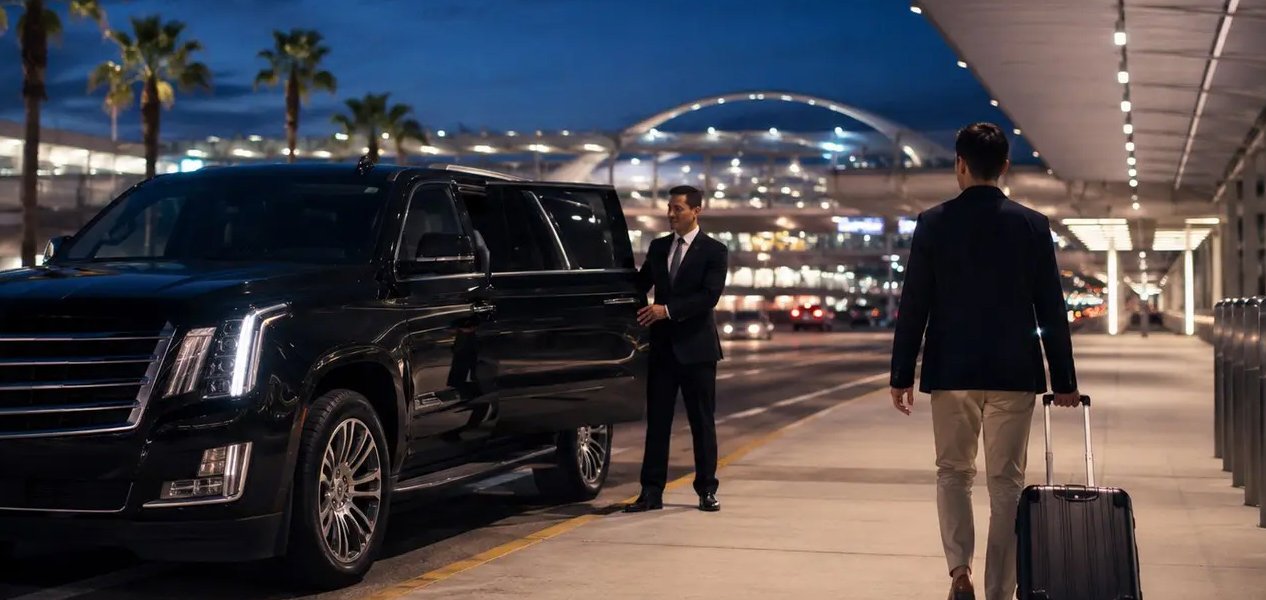
Where Your Airport Greeter Meets You After Arrival
Quickly finding the correct person after landing depends on precise meeting details. Airports use different arrival halls, baggage areas, doors, and pickup zones. A location that works domestically may not suit international passengers. Travelers should carefully review their confirmed meeting instructions before every landing.
A meet and greet airport booking should name one exact contact point. That point may change after an airline moves terminals or gates. Dispatch should send updated directions whenever the assigned terminal changes. Passengers need one backup method when normal phone contact fails.
Common Meeting Points for Different Arrivals
Domestic travelers usually meet near baggage claim or the main arrivals hall. Carry-on passengers may receive instructions for another public exit. Some airports require greeters to remain outside certain baggage areas. The booking message should state the carousel, door, level, or landmark.
International travelers normally meet greeters after immigration and customs clearance. The meeting point usually sits inside the public international arrivals hall. Greeters cannot enter border-controlled areas without proper local airport authority permission. Travelers should finish official checks before searching for their displayed name.
Private aviation facilities and small terminals follow different meeting procedures. Some greeters meet passengers inside the assigned FBO reception area. Remote stands may require terminal buses before any greeting occurs. Airport rules and aircraft location determine the nearest permitted contact point.
Arrival Type | Common Meeting Area | Important Detail |
Domestic with checked bags | Baggage claim or arrivals hall | Confirm the terminal and carousel |
Domestic with carry-on bags | Public exit or agreed landmark | Confirm the door and level |
International arrival | Public hall beyond customs | Complete border checks before meeting |
Private aviation | FBO lobby or approved point | Confirm facility access rules |
Finding and Verifying the Correct Greeter
Name boards help passengers identify their contact among many waiting drivers. The displayed wording should exactly match the confirmation received before travel. Companies may use passenger names, business names, initials, or booking codes. Travelers wanting privacy should request discreet wording during their reservation.
A visible sign alone does not confirm the correct transportation provider. Passengers should ask the greeter to state their booking name. They should compare contact details before privately discussing hotels or private plans. If doubt remains, dispatch should confirm the assigned representative directly.
If the greeter remains unseen, travelers should avoid switching exits repeatedly. They should check the confirmed landmark and activate airport wireless access. Dispatch can describe clothing, sign wording, or another meeting location. Written backup steps reduce temporary delays when voice calls remain unavailable.
Moving From the Terminal to Your Vehicle
After identification, the greeter may guide travelers toward the collected luggage. Package details decide whether carrying bags or porter help applies. The greeter then contacts the chauffeur and confirms vehicle readiness. This timing matters because airport curbs strictly restrict extended vehicle waiting.
The vehicle may wait inside a garage or approved holding area. Greeters use phone contact to time movement toward the pickup lane. Passengers should remain together while the team coordinates the vehicle. Splitting groups can delay loading and create further identification problems.
Baggage problems can keep passengers inside the terminal longer than expected. Travelers should inform dispatch before joining an airline service line. The provider can explain the current waiting limits and possible added charges. Passengers should never assume flight tracking includes every baggage-claim update.
Before departure, travelers should confirm every bag and passenger enters correctly. The chauffeur should restate the final address and any planned approved stops. Travelers should also understand added parking, waiting, or terminal charges. Clear final checks complete the arrival handoff before ground travel begins.

What Airport Assistance Meet and Greet Service May Include
Airport assistance means personal guidance during permitted parts of the terminal. It may begin at curbside, check-in, arrivals, or a connection point. Service scope changes by airport, package, and local access rules. Travelers should understand those limits before expecting complete terminal support.
Basic meet and greet airport assistance focuses on direction and coordination. A greeter explains the next step and leads travelers between locations. That support reduces uncertainty inside large terminals with several levels. It does not fully replace airline staff, border officers, or airport authorities.
Standard Assistance During Airport Travel
Standard packages usually include a greeting at one confirmed meeting point. They may include terminal directions, contact help, and an airport escort. Some arrival packages add baggage guidance and transport handoff support. Written terms should identify every included task before the travel date.
Departure assistance may start directly near the terminal entrance or check-in counter. The greeter can direct travelers toward baggage drop and security screening. International departures may also involve passport checks and exit procedures. Airport staff retain control over every official screening decision.
Connection assistance focuses on reaching the correct terminal and departure gate. The greeter may explain trains, buses, walkways, or security rechecks. Very short connections require accurate timing and clear airline information. Airlines still control rebooking after delays or missed onward flights.
Common forms of airport assistance may include:
- Terminal guidance helps travelers choose the correct route between airport areas.
- Document reminders help passengers prepare required papers before official checkpoints.
- Language support may clarify signs, directions, and basic airport instructions.
- Transfer coordination connects terminal assistance with the waiting ground vehicle.
Time Savings and Fast-Track Limitations
Personal guidance can reduce time lost while searching for counters. Greeters know common terminal routes and the current meeting procedures. Fast-track access may shorten certain lines when specifically included. However, no private service can guarantee any fixed airport processing times.
Security, immigration, customs, and baggage systems remain under official control. Queue lengths can change because of current staffing levels or flight volume. A greeter may guide travelers toward permitted priority lanes. Travelers still personally complete every required check with the authorized airport officials.
Optional Services Within Premium Packages
Premium packages may include porters, lounges, buggies, or language support. These features usually depend on airport resources and package availability. Lounge entry may require a ticket, membership, or added payment. Buggy service may also follow age, mobility, or specific terminal restrictions.
Travelers needing wheelchair help should notify both the airline and the provider. Airlines and airports normally manage all formal passenger mobility services. A private greeter can coordinate specific meeting points and explain next steps. Travelers should confirm responsibilities before relying on combined airport assistance.
Customs, Immigration, and Baggage Support
International travelers may receive useful guidance before or after customs processing. Greeters cannot approve entry, inspect documents, or change border decisions. They may direct passengers toward forms, lines, or public meeting areas. Only authorized officers decide all final immigration and customs outcomes.
Baggage help can mean guidance, physical carrying, or porter coordination. Each specific package defines which form of assistance actually applies. Airline teams handle the missing bags and create official baggage reports. Travelers should contact dispatch when baggage issues significantly delay their terminal exit.
The best services match assistance levels with real traveler needs. First-time flyers may value guidance more than frequent airport users. Families, seniors, and business travelers may require different forms of help. Clear limits and written inclusions create realistic expectations before travel.

How Meet and Greet Airport Service Supports Families and Luggage
Family airport trips combine children, documents, bags, and strict timing. Parents may handle several tasks while watching every family member. A planned greeting provides one contact for directions and pickup coordination. This support can reduce confusion during very demanding arrival or departure periods.
Meet and greet airport support begins with accurate family booking details. Parents should report adult, child, infant, and baggage totals. They should also mention strollers, car seats, wheelchairs, and large items. These facts help providers plan the staff and vehicle space correctly.
Understanding Luggage and Porter Assistance
Luggage assistance varies between simple guidance and hands-on porter service. A basic greeter may quickly direct travelers toward the correct carousel. Some packages include carrying help, while others charge porter fees. Families should request clear written details before expecting physical baggage support.
Airline staff manage delayed bags, missing items, and all official reports. The greeter cannot search private baggage systems or release their luggage. Parents should contact dispatch before entering a baggage service line. Waiting terms determine whether added time creates a separate additional charge.
All valuable items should remain under the traveler’s direct personal control. Passports, medicine, electronics, and money should stay inside carry-on bags. Families should count every suitcase before leaving the baggage area. A final count prevents items from entering the wrong vehicle or terminal.
Helping Parents Manage Airport Travel With Children
Very young children can become tired after long lines and flights. A greeter provides directions while parents focus on immediate family needs. This division of tasks may make terminal movement feel more manageable. Parents still retain full care and control of all their children.
Simple preparation can reduce common family travel problems:
- Keep passports and boarding documents inside one easy-to-reach family bag.
- Label strollers and car seats before entering the airport terminal.
- Pack snacks, medicine, and spare clothing within approved carry-on limits.
- Share pickup instructions with every adult before the travel date.
Strollers may require gate checking, baggage collection, or special handling. Car seats may arrive at the oversized baggage areas instead. Parents should ask where these items appear after their flight. The greeter can provide specific directions but cannot control airline delivery.
Vehicle planning matters when families carry several bulky travel items. A sedan may not fit passengers, suitcases, and folded strollers. Parents should choose capacity using actual baggage dimensions and totals. Child seats must also match the local laws and provider policies.
Supporting First-Time Flyers and International Families
First-time flyers may feel uncertain about airport signs and required steps. A greeter can explain where to collect bags or meet transport. They may also direct families toward restrooms, exits, or service counters. Clear guidance helps parents spend less time solving terminal questions.
Language differences can sometimes make family arrivals harder after tiring flights. Requested language support can clarify directions and basic airport information. However, greeters cannot officially answer immigration questions for border officials. Travelers remain responsible for required documents, declarations, and all entry requirements.
Knowing Family Service Responsibilities
Families should clearly distinguish private greeting from airline child assistance. The airlines control unaccompanied-minor programs, boarding rules, and custody checks. A private greeter cannot replace all those required airline procedures. Parents must coordinate both services when a child travels independently.
The right package supports families without promising control over airport systems. It gives parents direction, contact help, and planned transport coordination. Strong preparation remains essential for baggage and child needs. When responsibilities stay clear, families can manage airport travel far more calmly.
FAQs
What Does Meet and Greet Airport Service Include?
It usually includes a named greeting, terminal guidance, and pickup coordination. Porters, lounges, buggies, and priority lanes may require added payment.
Where Will the Airport Greeter Meet Me?
Domestic travelers commonly meet near baggage claim or the arrivals hall. International travelers usually meet beyond immigration and customs controls.
What Happens When My Flight Arrives Late?
Dispatch may track flight changes and adjust the planned greeting time. Waiting limits and added charges still depend on confirmed booking terms.
What Should I Do When I Cannot Find My Greeter?
Check the confirmed landmark before moving toward another terminal exit. Then contact dispatch using airport wireless access, calling, or messaging.
Does Meet and Greet Service Include Luggage Assistance?
Some packages include carrying help, while others provide only directions. Porter fees and airline baggage services may remain separate.